
Unfortunately, your brain may be sensitized to withdrawal due to kindling, which can set you up for unexpectedly severe withdrawal symptoms. By looking at your medical history and alcohol intake, your doctor can determine whether you need to taper in a medical detox facility or can safely detox at home. In addition to avoiding triggers, planning distractions is crucial to breaking the habit of reaching for alcohol.
Ways to Stop Drinking
One potential way to quit drinking is through tapering, which involves slowly reducing your alcohol intake over time. A popular way to taper off alcohol is to gradually reduce the number of drinks you consume over how to taper off alcohol a period of time. For example, if you normally drink 6 glasses of wine each night, you can try reducing that to 5 glasses of wine a night. Eventually, after a period of time, you will have tapered down to zero drinks. If you’re interested in medication-assisted treatment, medication to curb cravings can be a helpful tool for reducing your consumption. After prolonged alcohol use, your body can come to rely on alcohol for normal functioning, and suddenly going without it can cause potentially dangerous withdrawal symptoms.
Incorporating Physical Activity
- It also ensures your body has proper nutrition to maintain stamina during the stress it will go through during detox.
- Of course, there are times when you may require an alcohol detox to manage withdrawal symptoms in a more intense way.
- Many other factors go into play with these difficult and trying scenarios.
- Although all forms of alcohol cessation should be done with medical guidance, tapering your alcohol intake may allow you to self-wean from drinking at home.
Alcohol withdrawal occurs when alcohol use is suddenly stopped, removing its suppressing effect. Your brain will still be hyperactive and take about a week to 10 drug addiction days to readjust. Alcohol withdrawal symptoms are related to the hyperactivity of your brain and will continue until your brain fully adjusts to the absence of alcohol. A sample taper schedule involves calculating the number of drinks consumed per day. After this is calculated, make a schedule where you consume your normal amount on the first day and make regular reductions each day after. The second situation involves counting the daily drinks and switching them to a beverage with lower alcohol content, such as beer.
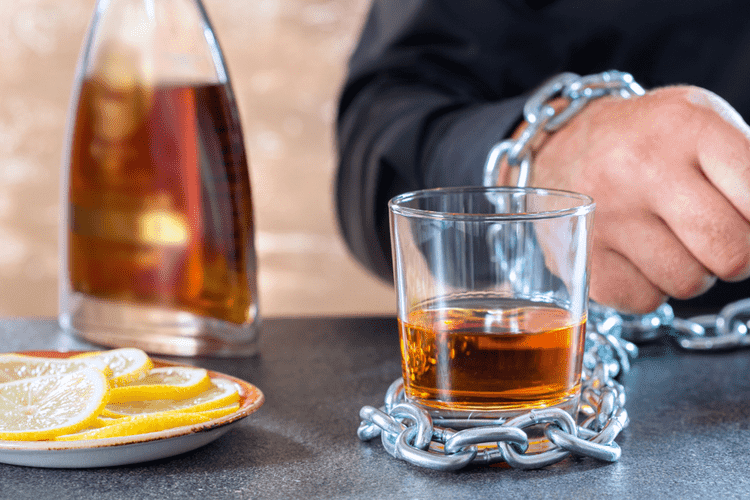
Gradual Reduction Method
This is why you should taper off alcohol, or use a prescribed medication like benzodiazepines, during detox3. It’s vital to do this under the supervision of a medical professional to ensure the process is safe and smooth. In order to fully recover, you can start your healing process by safely ridding yourself of alcohol. Getting professional treatment for alcohol addiction can give you the tools to create, and maintain, a healthy and happy lifestyle. Outpatient drug rehab is a flexible treatment program that allows individuals to overcome substance abuse while maintaining their daily responsibilities and living at home. It offers tailored therapy and support, making it a cost-effective and practical option for those with mild to moderate addiction issues.

Inpatient Opioid Rehab in South Florida
Telling people to taper with lite beer when they drink 750ml liquor a day is unrealistic and not based on science. Pretty sure the ER doc knows better than some bullshit web site written by sober people. Towards the end most of my drinking was just to deal with alcohol withdraw. Drinking wasnt fun like before, I was just getting sloppy drunk and the normal “euphoria” feeling was gone. I had lost my appetite and was very depressed, which is pretty standard for big time alcoholics.
When you reduce alcohol intake, your body might seek other sources of sugar, leading to cravings. Gradual reduction can help minimize withdrawal symptoms and make the process more manageable. Abrupt cessation, especially for regular drinkers, might lead to severe withdrawal symptoms that could be harmful. These programs offer more flexibility than residential rehab, while still supporting a healthy lifestyle for people in recovery. Sober living homes provide a comfortable, safe place for you to focus on your healing. Our advisory council brings together leaders in behavioral health, technology, and business.
Below I share some key information so you can determine if weaning off alcohol is right for you. Ria Health offers access to many of these tools, including prescription medications, recovery coaching, and online support groups—all through a HIPAA-compliant smartphone app. We support both moderation and abstinence as goals and, although we cannot provide medical detox remotely, we can help you design an effective tapering schedule to reduce your drinking. Start by setting a clear goal, such as reducing your daily intake gradually.
Most people experience the most severe symptoms from about 36–72 hours after stopping drinking. If you feel comfortable doing so, discuss your challenges with your primary healthcare professional. Finding a therapist can also be a great starting point if you’re uncomfortable opening up to your healthcare professional.
Over time, this can help you slow down and make more intentional choices about how much you’re drinking. You can read all about mindful drinking in this article by a licensed therapist at Monument. Some people are facing problems with their health or personal lives which require them to quit immediately. However, for many people with alcohol use disorder, tapering off alcohol is a far better experience than quitting abruptly. When you quit through tapering, you drink a little less each day until you’re able to have no alcohol at all.
For individuals looking to wean themselves off alcohol safely, seeking professional help can be a crucial step towards long-term recovery. Professional guidance and support can provide the necessary tools and resources to navigate the challenges of alcohol withdrawal and establish a solid foundation for a sober lifestyle. Typically, alcohol withdrawal symptoms begin to appear within 6-12 hours after your last drink and can last for several days. The most severe symptoms usually peak within hours and then gradually subside. When you detox from alcohol, you may feel withdrawal symptoms, especially if you’ve become physically dependent on alcohol. A self-detox can be dangerous because you don’t have access to medical care for the most severe symptoms of alcohol withdrawal.
- Share your plan with a trusted friend or family member who can provide encouragement and monitor your progress.
- Aim to drink at least 8–10 glasses of water daily, and more if you’re experiencing symptoms like sweating or nausea.
- Having a support system, like that of Briarwood Detox Center, can be invaluable in creating a safe detox environment.
How to wean off alcohol safely?
Detoxing from alcohol at home or self-detox isn’t universally recommended because the withdrawal process can be dangerous, especially for people with alcohol use disorder (AUD). Oftentimes, you’ll need medical support and supervision for a successful recovery. It is important to have a comprehensive plan for managing cravings and reducing alcohol intake. This could include setting goals and rewarding yourself when you reach them, finding an accountability partner or support group, or engaging in therapy.